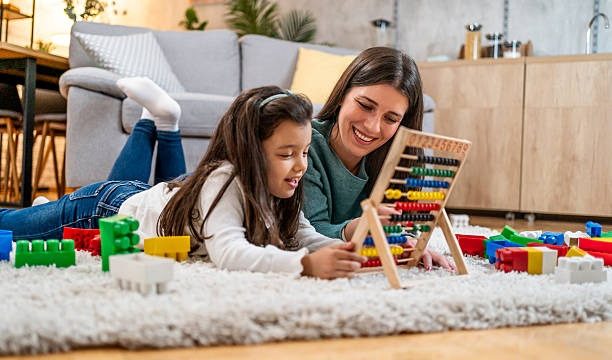
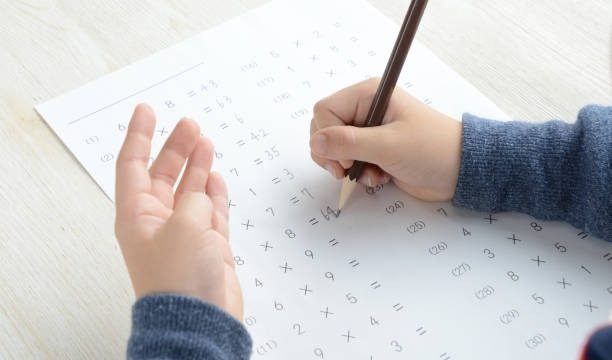
Learning multiplication can often feel like a daunting task for many children, but it doesn’t have to be.
With a sprinkle of creativity and a dash of fun, these essential math skills can be mastered with joy.
Here are some engaging activities that can transform the learning experience into a delightful journey.
One of the most effective ways to learn multiplication is through games that encourage interaction and enjoyment. Board games, for instance, can be a fantastic way to incorporate math into playtime. Consider a classic game like Monopoly, where players can practice their multiplication skills while buying properties or calculating rent. The thrill of competition adds an exciting layer, making the learning process feel less like a chore and more like a captivating adventure.
Another engaging approach is to use technology to your advantage. There are countless apps and online games designed to make learning multiplication entertaining. These platforms often incorporate colorful graphics and catchy tunes, keeping children motivated and eager to practice. Many of these educational games adapt to the player’s level, providing a personalized learning experience that can help build confidence as they progress.
Hands-on activities can also work wonders in reinforcing multiplication concepts. For instance, cooking can be a delicious way to practice math. When following a recipe, children can learn to multiply ingredients based on the number of servings they wish to prepare. This not only teaches them multiplication but also allows them to experience the joy of cooking, making it a sensory-rich learning opportunity. The aroma of cookies baking or the sight of a colorful salad can create positive associations with math, making it more enjoyable.
Creating a multiplication garden can also be a unique and engaging project. Using pots, seeds, and soil, children can plant seeds in groups based on multiplication facts. For example, if they are learning 3 times 4, they could plant three pots with four seeds in each pot. As they nurture their garden, they will reinforce their multiplication skills while enjoying the fresh air and the beauty of nature. This activity not only promotes learning but also fosters patience and responsibility.
Incorporating art into multiplication practice can turn a mundane task into an imaginative endeavor. Children can create multiplication flashcards using colorful paper, markers, and stickers. By designing their own cards, they become more invested in the learning process. They can use the flashcards for solo practice or even turn it into a fun game with friends or family. The creative aspect helps to solidify their understanding while allowing for self-expression.
Storytelling is another powerful tool for learning multiplication. Encourage children to create their own stories that involve multiplication scenarios. For example, they could tell a tale about a farmer who has a certain number of chickens and wants to know how many eggs they will lay in a week. By weaving multiplication into narratives, children can visualize the concepts, making them easier to grasp and remember. This method not only enhances their mathematical skills but also nurtures their imagination and creativity.
Taking it outside can also be beneficial. Engaging in physical activities that incorporate multiplication can be both fun and educational. For instance, setting up a scavenger hunt where children must solve multiplication problems to find the next clue can be exhilarating. Running around and solving problems in a dynamic environment keeps the energy high and the minds sharp. This combination of movement and mental challenge can make learning feel like an adventure.
As children become more comfortable with multiplication, introducing them to real-life applications can further enhance their understanding. Visiting a grocery store can provide ample opportunities to practice multiplication in a practical setting. Ask them to calculate the total cost of buying multiple items or how many packs of fruit they need if each pack contains a certain number of pieces. These experiences help children see the value of multiplication beyond the classroom, reinforcing its importance in everyday life.
Creating a multiplication club can also provide a supportive community for learning. Gather a few friends or neighbors and set up regular meet-ups where everyone can share fun activities, games, and challenges related to multiplication. This collaborative approach not only makes learning more enjoyable but also fosters a sense of camaraderie. Children can motivate each other and celebrate their progress together, making the process feel less isolating.
Finally, remember that patience is key. Every child learns at their own pace, and it’s essential to celebrate small victories along the way. Whether it’s mastering a new multiplication fact or successfully applying it in a real-life scenario, acknowledging these achievements can boost their confidence and enthusiasm. As they continue to practice and explore multiplication through these fun activities, they will find themselves not just learning math but enjoying the journey of discovery.
In conclusion, learning multiplication doesn’t have to be a rigid or stressful experience. By incorporating fun activities that engage the senses and foster creativity, children can develop a strong foundation in multiplication while enjoying the process. From games and cooking to storytelling and outdoor adventures, the possibilities are endless. Embracing these interactive approaches can help cultivate a positive attitude towards math, paving the way for a lifelong love of learning.