Geometry is often seen as a set of abstract principles, confined to the pages of textbooks and the minds of mathematicians.
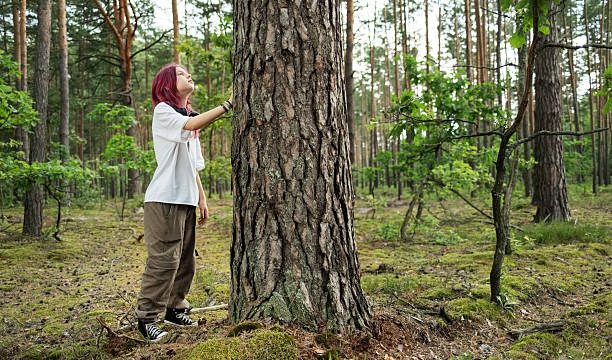
However, when we take a moment to step outside and observe the world around us, we can see that geometry is not just a mathematical concept but a fundamental language of nature.
From the spirals of a seashell to the symmetry of a butterfly’s wings, geometric patterns are woven into the very fabric of our environment, offering a profound connection between mathematics and the beauty of the natural world.
The elegance of shapes and forms is evident in the patterns of growth and structure found in flora and fauna. Take, for instance, the stunning arrangement of leaves around a stem, known as phyllotaxis. This spiral pattern is not just aesthetically pleasing; it is a practical arrangement that maximizes sunlight exposure and space for each leaf. The Fibonacci sequence, a series of numbers where each number is the sum of the two preceding ones, often emerges in such designs. As we trace the spirals of sunflowers and the arrangement of pine cones, we can appreciate how geometry plays a crucial role in optimizing nature’s resources.
In the world of animals, geometry reveals itself in the intricate designs of shells. The nautilus shell, for example, follows a logarithmic spiral, a geometric form that allows for growth without changing shape. This remarkable design illustrates how mathematical principles can guide the development of living organisms. As the nautilus grows, it creates new chambers in its shell, maintaining the same proportions. This harmony between growth and geometry is a testament to the elegance of nature’s designs.
A small shift toward balance can be seen in the symmetry found in many species. Symmetry is not just a visual delight; it often plays a vital role in survival and reproduction. Many animals exhibit bilateral symmetry, where their bodies can be divided into two equal halves. This symmetry is not only aesthetically pleasing but also functional. It allows for streamlined movement and efficient navigation through their environments. The striking symmetry of a peacock’s feathers, for instance, is not merely for show. It serves as a display to attract mates, showcasing the intricate balance of beauty and biology.
Nature also embraces geometric forms in the construction of its structures. Consider the hexagonal honeycomb built by bees. This remarkable design is a perfect example of efficiency and strength. The hexagon allows bees to maximize storage space while using the least amount of wax, demonstrating how geometry can influence material properties and resource management. This natural engineering marvel speaks to the intelligence of instinct-driven creatures and their ability to harness geometric principles for their benefit.
As we delve deeper into the natural world, we find that geometry is not confined to individual organisms but also manifests in ecosystems. The branching patterns of trees are a perfect illustration of fractals, a concept in geometry that describes structures that are self-similar across different scales. Each branch of a tree mirrors the shape and structure of the tree itself, creating a harmonious relationship between the whole and its parts. This fractal geometry is not just a visual delight; it plays a critical role in the efficiency of light capture and nutrient distribution within the tree.
The delicate balance of ecosystems can also be explained through geometric concepts. The arrangement of plants, animals, and microorganisms follows patterns that promote stability and resilience. The interconnectedness of these elements often forms geometric shapes, whether in the circular patterns of predator-prey dynamics or the triangular relationships seen in food webs. These geometric patterns serve as reminders of the intricate web of life that sustains our planet.
As we explore the relationship between geometry and natural designs, we begin to see a broader narrative—a story of interconnectedness and balance. Each element in nature, from the smallest microbe to the largest tree, is part of a larger geometric tapestry. This realization can inspire us to appreciate the beauty and complexity of our surroundings, encouraging a deeper connection to the world we inhabit.
In our daily lives, we can draw inspiration from these natural designs, embracing the principles of balance, efficiency, and harmony. By observing the geometry in nature, we can learn to appreciate the simplicity and elegance that exists all around us. This appreciation can translate into our own lives, encouraging us to seek balance in our daily routines, relationships, and environments.
As we strive for wellness and fulfillment, we might consider how we can incorporate the lessons of geometry into our lifestyle. Whether it’s through the organization of our spaces, the way we approach our work, or how we nurture our relationships, embracing geometric principles can lead to a more harmonious existence. Just as nature utilizes geometry to thrive, we too can find ways to create balance and beauty in our lives.
In conclusion, the exploration of geometry in natural designs reveals a world of wonder and interconnectedness. From the spirals of seashells to the symmetry of butterflies, geometry is a language that speaks to the elegance of nature. By observing and appreciating these patterns, we can cultivate a deeper understanding of our relationship with the world around us. As we embrace the beauty of geometric designs in nature, we may also find inspiration to create balance and harmony within our own lives, fostering a sense of well-being and connection to the intricate tapestry of life.