In our fast-paced world, where technology often takes center stage, the art of mental math can feel like a relic of the past.
Yet, tapping into the power of mental arithmetic can offer us not just practical benefits in everyday life, but also a sense of accomplishment and confidence.
Imagine breezing through calculations in your head, whether you’re splitting a bill, estimating grocery costs, or figuring out how much time you have left for a project. The journey to mental math success is not as daunting as it seems; with a few gentle steps, anyone can cultivate this valuable skill.
A gentle introduction to mental math begins with understanding its importance. Mental math isn’t just about numbers; it’s a way to sharpen your mind, enhance problem-solving skills, and boost your overall cognitive abilities. Engaging in mental calculations encourages the brain to think critically and creatively, which can be beneficial in various aspects of life, from academics to everyday decision-making.
Finding a comfortable starting point is essential. Begin by familiarizing yourself with basic concepts such as addition, subtraction, multiplication, and division. These foundational operations are the building blocks of more complex calculations. It’s helpful to practice these operations until they become second nature. You might find it beneficial to set aside a few minutes each day to play with numbers—whether it’s adding up your shopping list or calculating time intervals. This consistent practice can create a strong mental framework that supports more advanced skills.
A small shift toward balance can make a significant difference in your mental math journey. Instead of overwhelming yourself with complex equations, focus on mastering simple calculations first. For instance, practice adding two-digit numbers or multiplying by single digits. As you grow more comfortable, gradually introduce more challenging problems. This incremental approach not only builds confidence but also helps prevent frustration. Remember, it’s completely okay to take your time and celebrate your progress, no matter how small it may seem.
Another key aspect of mental math success is visualization. Imagine numbers as vivid images in your mind. This technique can make calculations more engaging and help you recall information more easily. For example, when multiplying numbers, visualize groups of objects. If you’re multiplying 3 by 4, picture three groups of four apples each. This mental imagery can transform abstract numbers into something tangible, making calculations feel more intuitive.
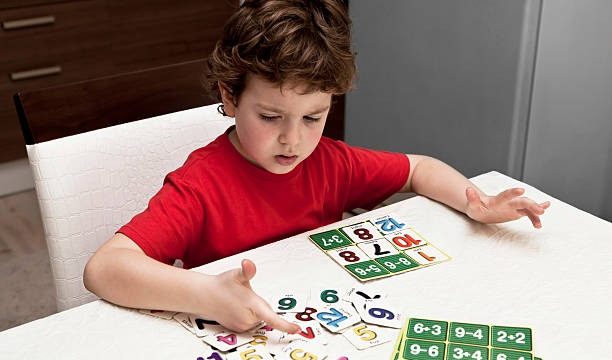
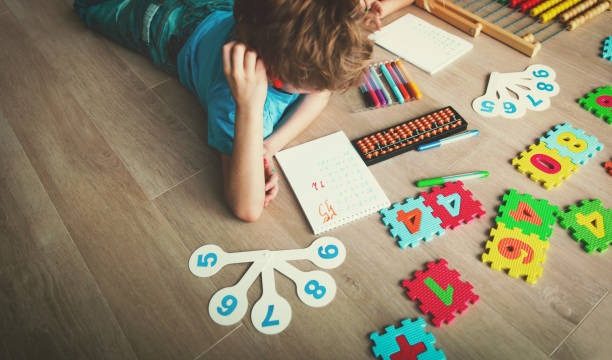
Incorporating games into your practice can also be a delightful way to enhance your mental math skills. Simple card games, board games, or even apps designed for math practice can offer a fun environment for learning. Engaging in friendly competition with friends or family can motivate you to improve while keeping the experience lighthearted. These playful interactions can reinforce your skills without the pressure of traditional study methods.
Mindfulness plays a subtle yet powerful role in learning. When approaching mental math, take a moment to breathe and clear your mind. A calm state can enhance focus and clarity, allowing you to better access your mental resources. Practicing mindfulness techniques, such as deep breathing or visualization, can help you remain centered and attentive during calculations. This mental space encourages a more positive attitude towards learning and reduces anxiety, which can often accompany challenging tasks.
As you progress, consider incorporating real-life applications of mental math into your daily routine. This could mean estimating costs while grocery shopping, calculating tips at a restaurant, or figuring out travel times. Each of these scenarios provides an opportunity to practice your skills in a way that feels relevant and meaningful. The more you apply mental math in everyday situations, the more natural it will become, reinforcing your confidence and ability.
A supportive community can also enhance your journey toward mental math success. Engaging with others who share similar goals can provide encouragement and inspiration. Consider joining a study group or an online forum where you can exchange tips, share progress, and celebrate achievements together. This sense of camaraderie can make the learning process more enjoyable and less isolating.
Another gentle technique to embrace is the use of mnemonic devices. These memory aids can help you recall mathematical principles or sequences more easily. For instance, creating a catchy phrase or story that links numbers together can make them more memorable. This playful approach not only aids in retention but also fosters creativity in how you approach numbers.
As you develop your mental math abilities, it’s important to cultivate a positive mindset. Embrace mistakes as opportunities for growth rather than setbacks. Each miscalculation is a stepping stone toward improvement, providing valuable insights into your thought processes. By fostering a sense of curiosity and resilience, you’ll find that your confidence grows alongside your skills.
Finally, remember that mental math is a lifelong journey. Just as with any skill, consistency and patience are essential. Celebrate each milestone along the way, no matter how small, and acknowledge the progress you’ve made. The beauty of mental math lies not only in the calculations themselves but also in the personal growth and confidence that come with mastering this skill.
In conclusion, the pathway to mental math success is accessible to anyone willing to take the first step. By embracing foundational concepts, practicing regularly, using visualization techniques, incorporating games, and fostering a positive mindset, you can unlock the potential of your mind. As you navigate this journey, remember to enjoy the process and recognize the growth that comes with each calculation. With time and dedication, mental math can transform from a daunting task into a rewarding and empowering part of your daily life.