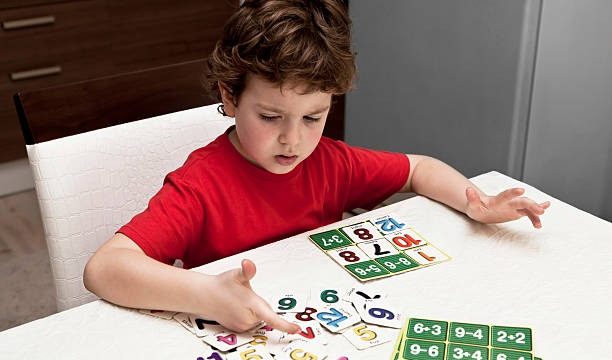
Mathematics often feels like a vast and intimidating landscape, filled with abstract concepts and intricate formulas.
Yet, at its core, math is a language of patterns.
Recognizing and understanding these patterns can transform our relationship with math, making it feel more like a friend than a foe. In this exploration, we will delve into how patterns illuminate the world of mathematics and how they can enrich our everyday lives.
Finding comfort in repetition
At its essence, math is a study of relationships and structures. Patterns serve as the threads that weave these elements together. When we encounter a sequence of numbers, such as 2, 4, 6, 8, we begin to notice a pattern—a consistent increase by two. This simple observation not only helps us predict the next numbers in the series but also introduces us to the concept of arithmetic.
The beauty of recognizing patterns lies in their ability to create a sense of order. Just as nature exhibits patterns in the shapes of leaves or the spirals of seashells, mathematics offers a similar reassurance. When we engage with these patterns, we tap into a fundamental aspect of human cognition. Our brains are naturally wired to seek out and identify patterns, making math feel more intuitive and accessible.
The rhythm of numbers
Patterns in mathematics can often be likened to music. Just as melodies are built on repeating notes and rhythms, mathematical concepts often rely on recurring principles. Take, for instance, the Fibonacci sequence, a series where each number is the sum of the two preceding ones. This sequence appears not only in mathematics but also in nature—think of the arrangement of sunflower seeds or the branching of trees.
Recognizing these connections can deepen our appreciation for both math and the world around us. When we see the Fibonacci sequence reflected in a flower’s petals or a pine cone’s spirals, we begin to understand that math is not just a set of rules to memorize but a universal language that describes the beauty of nature. This realization can inspire a sense of wonder and curiosity, inviting us to explore further.
A small shift toward balance
For many, math evokes feelings of anxiety or confusion. However, by shifting our focus to patterns, we can cultivate a more balanced perspective. Instead of viewing math as a series of isolated problems to solve, we can approach it as a cohesive tapestry of interconnected ideas. This shift can make the subject feel less daunting and more inviting.
For example, when tackling algebra, recognizing patterns in equations can simplify the process. If we understand that certain operations yield consistent results, we can approach solving problems with greater confidence. The more we practice identifying these patterns, the more comfortable we become with the material. This gradual acclimatization can transform math from a source of stress into a realm of discovery.
Connecting with the world through math
Patterns extend beyond the confines of the classroom; they can also enrich our daily lives. Consider the way we budget our finances. By recognizing spending patterns, we can make informed decisions about saving and investing. Similarly, understanding patterns in cooking—such as how certain ingredients complement each other—can lead to delightful culinary experiences.
Even in our personal relationships, patterns play a crucial role. Recognizing recurring themes in communication can foster deeper connections and understanding. Just as we analyze patterns in math, we can apply this analytical lens to navigate the complexities of human interactions.
Embracing a playful mindset
One of the most rewarding aspects of exploring patterns in math is the opportunity to embrace a playful mindset. Math need not be a rigid discipline; it can be a creative playground. Engaging with patterns through puzzles, games, or artistic endeavors can invite joy into the learning process.
Consider the art of tessellation, where shapes fit together perfectly without gaps. This mathematical principle can lead to stunning visual art, as seen in the works of M.C. Escher. By merging creativity and mathematics, we can appreciate the aesthetic dimensions of patterns, enriching our lives in unexpected ways.
The journey of discovery
Ultimately, understanding patterns in math is a journey of discovery. It invites us to ask questions, explore possibilities, and embrace uncertainty. Just as scientists venture into the unknown, we too can embark on our mathematical explorations with an open heart and mind.
As we navigate this journey, it’s essential to remember that mistakes are part of the process. Each misstep can reveal new patterns and insights, deepening our understanding. This perspective fosters resilience, encouraging us to persist even when faced with challenges.
A harmonious relationship with math
As we cultivate our understanding of patterns, we can develop a more harmonious relationship with mathematics. Rather than viewing it as a series of obstacles, we can appreciate it as a rich tapestry woven with connections. Each pattern we recognize serves as a stepping stone, guiding us toward greater clarity and confidence.
In this light, math becomes not just a subject to study but a lens through which we can view the world. The patterns we encounter in numbers, nature, and our daily experiences remind us of the interconnectedness of all things. By embracing this perspective, we can transform our approach to math, allowing it to enrich our lives in ways we may have never imagined.
In conclusion, patterns are the heart of mathematics, illuminating the subject and making it more relatable. By recognizing and embracing these patterns, we can shift our perception of math and foster a sense of wonder and curiosity. As we embark on this journey, let us remain open to the beauty and connections that mathematics offers, discovering the rhythms and harmonies that enrich our understanding of the world.