In our fast-paced world, where digital devices often do the heavy lifting, the art of basic math might feel less significant than it once did.
Yet, addition and subtraction are foundational skills that enrich our daily lives, from managing finances to cooking.
Learning these skills can be a delightful journey, filled with playful methods that make the process enjoyable and engaging.
A gentle approach to learning
When it comes to mastering addition and subtraction, a gentle, enjoyable approach can make all the difference. The key is to create a relaxed environment where mistakes are seen as stepping stones rather than setbacks. Embracing a mindset of curiosity can transform the learning experience, allowing learners to explore numbers without fear.
One effective method is to incorporate everyday activities into the practice. For instance, while cooking, you can ask questions like, “If we need three eggs for this recipe and we already have one, how many more do we need?” This not only helps with counting but also illustrates the practical applications of addition and subtraction in daily life.
Turning play into practice
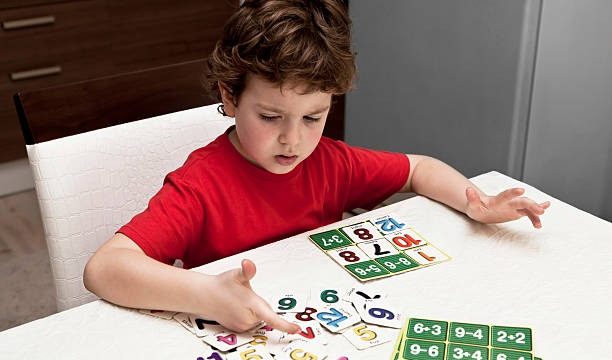
Children, in particular, thrive when learning feels like play. This is where the magic of games comes into play. Simple board games or card games often involve counting and basic arithmetic, making them perfect for reinforcing these skills. Games like “Monopoly” or “Uno” can teach addition as players count money or keep score.
Crafting your own games can also be a rewarding experience. You might create a treasure hunt where each clue requires solving a simple math problem to find the next location. This adds an element of excitement and adventure, turning learning into a memorable experience.
Visual aids and manipulatives
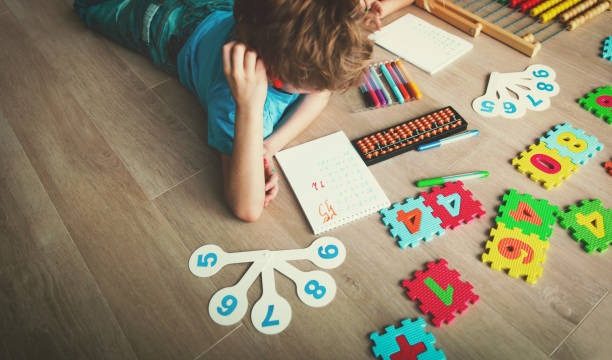
Visual aids can be incredibly powerful tools in the learning process. Using objects like blocks, beads, or even kitchen items can help learners visualize addition and subtraction. For example, if you have five apples and you give away two, physically moving the apples can help illustrate the concept.
Creating a number line is another effective method. Drawing a simple line on paper with numbers marked along it allows learners to see how numbers relate to one another. They can practice jumping forward for addition and backward for subtraction, turning abstract concepts into tangible movements.
A small shift toward balance
Incorporating technology can also bring a refreshing twist to learning. There are numerous apps designed to make math fun and interactive. Many of these apps use gamification to engage learners, offering rewards and challenges that motivate continued practice. The key is to choose tools that foster a love for learning rather than create pressure.
Understanding that everyone learns at their own pace is crucial. Encouragement and patience go a long way. Celebrate small victories, whether it’s solving a simple problem or grasping a new concept. This positive reinforcement can build confidence and pave the way for more complex mathematical concepts in the future.
The beauty of real-world applications
As learners grow more comfortable with addition and subtraction, it’s helpful to connect these skills to real-world scenarios. For example, when shopping, you can discuss prices and how much money is spent or saved. If you’re planning a party, discussing how many guests are invited and how much food is needed can lead to engaging discussions about numbers.
Creating a budget for a small project can also be a practical exercise. By tracking expenses and calculating totals, learners can practice their skills while gaining valuable experience in financial literacy. This not only reinforces addition and subtraction but also prepares them for future responsibilities.
Finding joy in the journey
It’s important to remember that learning is a journey, not a race. The joy of discovering new skills often lies in the process itself. By fostering a love for numbers through playful methods, visual aids, and real-world applications, the often-daunting world of math can become a welcoming space.
Encouraging a mindset of exploration allows learners to approach problems with curiosity rather than anxiety. This shift in perspective can lead to a lifelong appreciation for learning and problem-solving.
Creating a supportive environment
For parents and educators, fostering an environment that supports learning is essential. This can be as simple as setting aside time each week for math-related activities or discussions. Engaging in conversations about numbers in everyday life can help reinforce concepts without the pressure of formal lessons.
Moreover, being a role model by demonstrating your own positive attitude towards math can inspire learners to adopt a similar view. Share your own experiences with numbers, whether it’s budgeting for a trip or calculating time for a recipe.
Ultimately, the goal is to cultivate an environment where addition and subtraction are seen as valuable tools rather than hurdles to overcome.
In conclusion, learning addition and subtraction can transform from a daunting task into an enjoyable adventure. By embracing playful methods, utilizing visual aids, and connecting skills to everyday experiences, we can nurture a love for numbers that lasts a lifetime. The journey to mastering these fundamental skills is not only beneficial but can also be filled with joy and discovery. As we navigate this path together, let’s celebrate each small step, knowing that every bit of progress brings us closer to a deeper understanding of the beautiful world of mathematics.