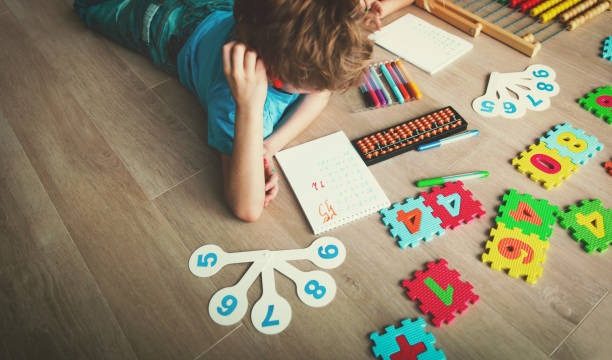
When it comes to learning multiplication, the journey can often feel daunting.
But what if we approached it with a sense of playfulness and creativity? There are countless ways to practice multiplication that can transform a tedious task into a fun and engaging experience.
By incorporating games, everyday activities, and even a bit of art, we can make multiplication a delightful part of our daily routines.
One of the most enjoyable ways to practice multiplication is through games.
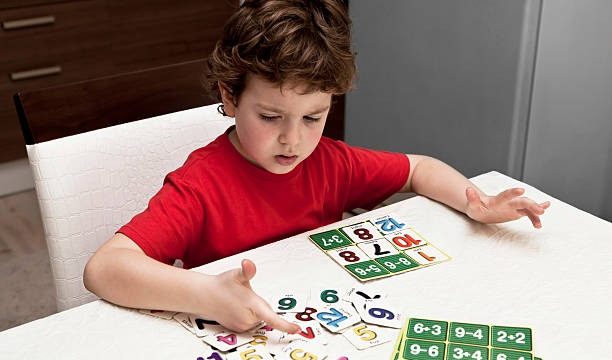
Board games and card games that incorporate math can turn learning into an exciting adventure. For instance, consider creating a multiplication-themed board game where players advance by solving multiplication problems. As they move around the board, they can collect fun tokens or rewards, making the experience feel less like a chore and more like a friendly competition. This not only helps reinforce multiplication skills but also fosters social interaction and teamwork.
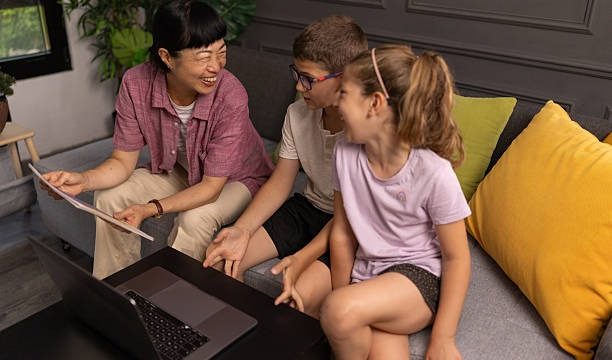
Another way to bring a sense of fun to multiplication practice is through technology. There are numerous educational apps and online games designed specifically for this purpose. These platforms often use colorful graphics and engaging storylines to capture the interest of learners. Whether it’s racing against the clock to answer multiplication questions or exploring a virtual world where math skills are the key to unlocking new levels, technology can provide a dynamic environment for practicing multiplication. The interactive nature of these tools can help learners feel more motivated and less overwhelmed.
Incorporating movement into multiplication practice can also be a refreshing approach. Why not take the learning outside? You can create a scavenger hunt where each clue is a multiplication problem that leads to the next. As children solve each problem, they can run to the next location, combining physical activity with mental challenges. This method not only keeps the body active but also engages the mind in a lively way. The fresh air and change of scenery can make learning feel less like a task and more like an adventure.
For those who enjoy a more artistic approach, consider integrating art into multiplication practice. Creating multiplication flashcards can be a fun craft project. Using colorful markers, stickers, or drawings, learners can design their own cards, making them visually appealing. This creative process not only reinforces the multiplication facts but also gives a sense of ownership over the learning materials. Once the cards are made, they can be used for games with family or friends, turning them into a social activity that enhances learning.
Cooking and baking can also serve as wonderful opportunities to practice multiplication. Recipes often require measurements that can be doubled or tripled, providing a practical application of multiplication in everyday life. When preparing a favorite dish, invite learners to help by calculating the ingredients needed. This hands-on experience not only makes multiplication relevant but also teaches valuable life skills. Plus, at the end of the cooking session, everyone gets to enjoy a delicious meal together, making the process even more rewarding.
Music and rhythm can also play a role in making multiplication more enjoyable. Creating songs or raps that incorporate multiplication facts can be a fun way to memorize them. The rhythm helps to reinforce the information, making it easier to recall. Singing these catchy tunes can turn study time into a lively and enjoyable experience. Families can even join in, creating a fun bonding activity while learning together.
Storytelling is another powerful tool that can make multiplication relatable. Crafting stories that incorporate multiplication concepts can help learners visualize and understand the subject better. For example, a tale about a farmer who needs to calculate how many apples he can harvest from his trees can engage the imagination while introducing multiplication in a meaningful context. This approach not only makes the learning process more enjoyable but also helps learners see the relevance of multiplication in real-life situations.
As we explore these various methods, it’s essential to remember that the goal is to create a positive and encouraging environment for learning. Celebrating small victories can go a long way in building confidence. Whether it’s successfully solving a challenging problem or mastering a new multiplication fact, acknowledging progress helps reinforce a growth mindset. Encouragement from parents, teachers, and peers can inspire learners to embrace challenges and continue improving.
Incorporating multiplication practice into daily routines without it feeling like a burden can lead to a more enjoyable learning experience. Simple conversations during car rides or family meals can include multiplication questions, turning everyday moments into opportunities for practice. This seamless integration of learning into daily life can help reinforce skills without the pressure of formal study sessions.
Ultimately, the key to making multiplication fun lies in creativity and connection. By exploring different avenues—whether through games, art, movement, music, or storytelling—we can create a rich tapestry of experiences that make learning multiplication an enjoyable journey. The more we can infuse joy into the process, the more likely learners will be to embrace the challenges that come with mastering multiplication.
As we encourage a playful approach to multiplication, let’s remember that everyone learns differently. It’s important to be patient and to find what resonates best with each individual. With a little creativity and a lot of heart, practicing multiplication can become a cherished part of the learning journey, setting a positive foundation for future mathematical endeavors.