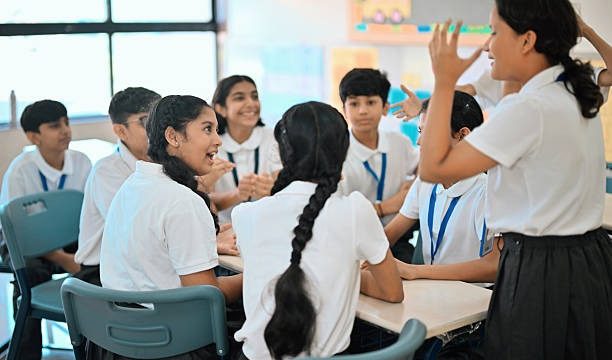
In a world that often emphasizes rote memorization and standardized testing, academic contests can serve as a refreshing alternative, encouraging students to engage with learning in a way that is both enjoyable and intellectually stimulating.
These competitions provide a platform for young minds to explore their creativity, enhance their problem-solving skills, and cultivate a deeper understanding of various subjects.
They are not merely tests of knowledge; they are opportunities for critical thinking, collaboration, and personal growth.
The beauty of academic contests lies in their diversity. From math and science challenges to writing competitions and debate tournaments, there is something for everyone. Each contest presents a unique set of problems to solve or topics to explore, inviting students to think outside the box. This is where the magic happens—students are encouraged to analyze, evaluate, and synthesize information rather than just recall facts. Such experiences can be transformative, fostering a love for learning that extends beyond the classroom walls.
One delightful aspect of these competitions is the way they often promote teamwork. Many contests are structured to encourage collaboration among participants. For instance, in science fairs or robotics competitions, students must work together to design experiments or build functioning models. This collaborative environment not only enhances critical thinking but also teaches valuable social skills. Participants learn to communicate effectively, share ideas, and respect different perspectives. The friendships forged in these settings can last a lifetime, creating a community of like-minded individuals who share a passion for discovery.
Engaging in academic contests also allows students to explore their interests in depth. A student who loves literature might thrive in a poetry competition, where they can express their thoughts and emotions creatively. Meanwhile, another student with a knack for mathematics may find joy in a math Olympiad, where complex problems challenge their analytical skills. These contests offer a space for self-discovery, encouraging students to pursue their passions and develop their unique voices.
As students prepare for these competitions, they inevitably develop a range of skills that are invaluable in both academic and real-world settings. Critical thinking is at the forefront of this skill set. Participants learn to approach problems systematically, breaking them down into manageable parts and considering all possible solutions. This analytical mindset is crucial not just in academic endeavors but also in everyday decision-making. The ability to think critically can empower students to navigate challenges with confidence and creativity, making them more adaptable in a rapidly changing world.
Another significant benefit of academic contests is the opportunity for personal growth. The experience of competing can be both exhilarating and nerve-wracking. Students learn how to handle pressure and manage their time effectively, skills that are essential in any pursuit. Failure is often a part of the journey, and learning to cope with setbacks can build resilience. Each competition teaches students that success is not solely defined by winning but by the effort put forth and the lessons learned along the way.
The joy of discovery is often amplified by the excitement of sharing knowledge. Many academic contests encourage participants to present their findings or solutions to a broader audience. This not only boosts their confidence but also helps them articulate their thoughts clearly, an essential skill in any field. Engaging with peers, mentors, and judges fosters a sense of community and encourages a culture of learning, where individuals support and inspire one another.
In recent years, there has been a growing movement to include more interdisciplinary contests, blending subjects like art, science, and technology. These competitions encourage students to think holistically, recognizing the interconnectedness of different fields. For example, a project that combines environmental science with artistic expression can lead to innovative solutions to pressing global issues. This kind of thinking nurtures creativity and encourages students to envision a future where they can make a meaningful impact.
For parents and educators, supporting students in their pursuit of academic contests can be a rewarding journey. Encouraging participation not only helps students develop critical thinking skills but also fosters a lifelong love of learning. It is important to approach these competitions with a balanced mindset, emphasizing personal growth and enjoyment over the pressure to win. Celebrating small victories and learning experiences can cultivate a positive atmosphere that nurtures curiosity and resilience.
As students continue to participate in academic contests, they often find themselves more engaged in their studies. The thrill of competition can ignite a passion for learning that extends into their everyday lives. They may seek out additional resources, join clubs, or even start their own projects, all motivated by the desire to explore their interests further. This intrinsic motivation is a powerful force that can shape their educational journeys and future careers.
Ultimately, academic contests offer a unique blend of challenge and opportunity, allowing students to engage with knowledge in dynamic and meaningful ways. The skills developed through these experiences—critical thinking, collaboration, and resilience—are essential not only for academic success but also for navigating the complexities of life. By encouraging participation in these contests, we can help foster a generation of thinkers, creators, and problem-solvers who are equipped to tackle the challenges of tomorrow.
In embracing the world of academic contests, we open doors to exploration, creativity, and personal growth. These competitions remind us that learning is a journey, not a destination, and that the true reward lies in the experiences and relationships we build along the way. As students dive into these opportunities, they not only gain knowledge but also discover their capacity for critical thought and innovation, setting the stage for a bright and fulfilling future.