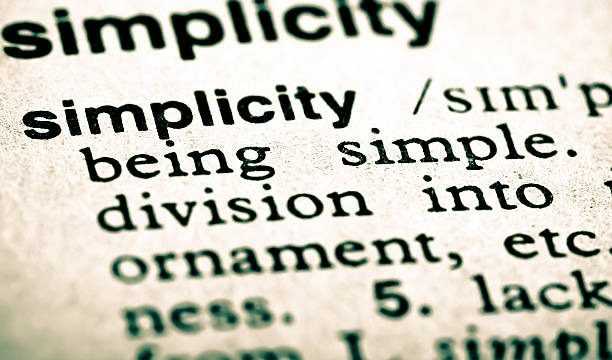
In a world filled with distractions and fast-paced living, it can be easy to overlook the joy of learning new words.
Expanding our vocabulary is not just about sounding clever; it’s about enriching our communication and deepening our connections with others.
Embracing daily vocabulary challenges can transform this often daunting task into a delightful part of your routine. Let’s explore some engaging ways to make vocabulary practice both fun and rewarding.
A gentle introduction to vocabulary building can start with the simple act of noticing words in your environment. Whether you’re reading a book, scrolling through social media, or watching a show, take a moment to pause when you encounter an unfamiliar word. Instead of glossing over it, jot it down. This practice turns passive observation into active learning. By creating a running list of new words, you’re not just collecting them; you’re inviting them into your daily conversations.
Another enjoyable way to integrate vocabulary practice into your life is through themed word days. Assign a day of the week to a particular theme—nature, emotions, or even culinary terms. As you navigate your week, seek out opportunities to use words from your chosen theme. For example, if it’s “nature” day, you might use words like “verdant,” “tranquil,” or “bloom” whenever you discuss the outdoors. This not only helps you remember the words but also allows you to weave them into your conversations, making them feel organic and relevant.
Engaging with literature can also serve as a treasure trove of vocabulary enrichment. Pick a book that intrigues you, and challenge yourself to read a chapter each day. As you read, take note of any words that stand out. Consider how the author uses these words in context, and try to incorporate them into your own writing or conversations. This practice not only enhances your vocabulary but also deepens your appreciation for the nuances of language.
If you enjoy a bit of friendly competition, consider inviting friends or family to join you in vocabulary challenges. Create a word of the day challenge where each person selects a word to share with the group. You might discuss its meaning, use it in a sentence, or even share a story that incorporates the word. This collaborative approach makes learning feel less like a solitary endeavor and more like a shared experience, fostering connections through language.
Incorporating games into your vocabulary practice can also breathe new life into the process. Consider word puzzles, crosswords, or even vocabulary-based board games. These activities make learning feel playful and can often spark spontaneous conversations about word meanings and uses. Plus, they offer the added benefit of sharpening your mind in a fun and engaging way.
A little creativity can go a long way in making vocabulary practice enjoyable. Try your hand at writing poetry or short stories using new words you’ve learned. This exercise not only challenges you to think critically about word choice but also allows you to express yourself artistically. Sharing your creations with others can open up discussions about language and inspire even more exploration.
Another delightful approach is to explore word origins and etymology. Understanding where a word comes from can add depth to its meaning and create a richer context for your conversations. Dive into the history of a word and share your findings with friends. This exploration can evoke fascinating discussions and can often lead to discovering related words that further expand your vocabulary.
As you embark on this vocabulary journey, remember that consistency is key. Set aside a few minutes each day to engage with words. Whether it’s through reading, writing, or conversing, these small, intentional moments can lead to significant growth over time. The goal isn’t to memorize lists but to cultivate a genuine relationship with language that enhances your life and those around you.
In a world where communication is vital, embracing vocabulary challenges can serve as a powerful tool for personal growth. These daily practices not only enrich your language skills but also foster deeper connections with others. As you explore new words and their meanings, you’ll likely find that your confidence in expressing yourself blossoms. The beauty of language lies in its ability to connect us, to tell our stories, and to share our thoughts and feelings.
So, take a moment to reflect on your relationship with words. Are there new ones waiting to be discovered? Perhaps a simple shift in your daily routine can open the door to a world of vocabulary waiting to be explored. With a little curiosity and creativity, vocabulary challenges can become a cherished part of your everyday life, bringing joy and connection in unexpected ways.
As you embark on this journey, remember that every word learned is a step toward a richer, more expressive life. Embrace the adventure of language, and watch how it transforms not only your communication but also your relationships and experiences.